Keep grease out of kitchen drains
Wipe greasy pans before washing them. Hot water may move grease farther along the pipe, but it does not keep that grease from cooling and sticking later.

Drain maintenance · Minneapolis
Keep water moving with practical habits. When a drain needs attention, one call connects you with a local drain cleaning contractor.
CALL NOW: +1 877 364 0435One call to connect
Local drain cleaning contractor
Serving Minneapolis
You decide whether to proceed
The best way to prevent clogged drains is to keep grease, food scraps, hair, and wipes out of the plumbing. Small changes at the sink, tub, and toilet can prevent buildup that gradually narrows a pipe. A drain that empties more slowly than usual deserves attention before water stops moving altogether.
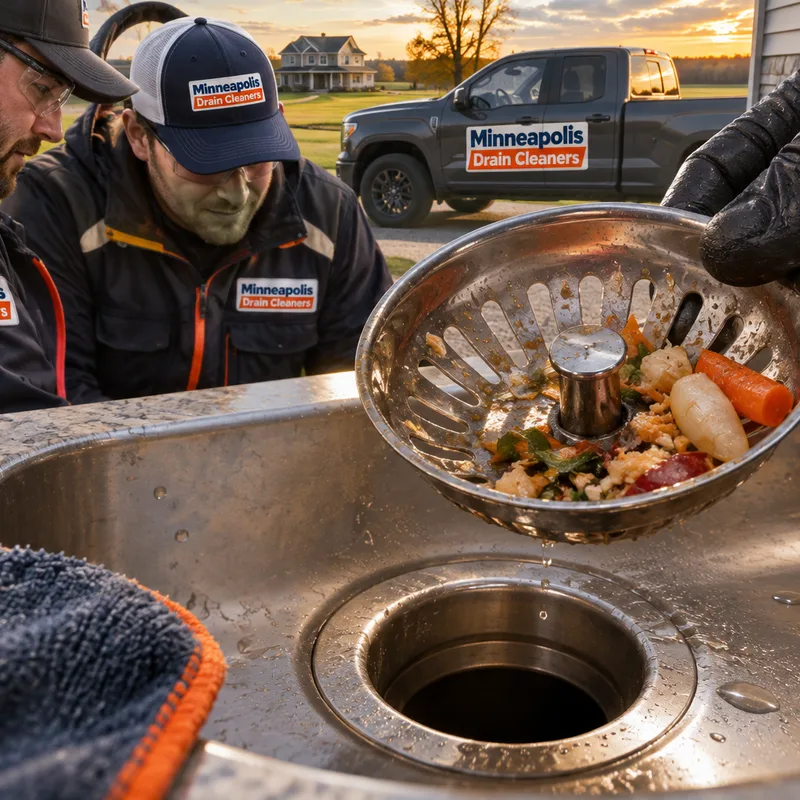
In the kitchen, scrape plates into the trash and collect cooking grease in a container rather than pouring it down the sink. Grease can cool and cling to pipe walls, where food particles collect. Use a sink strainer, empty it often, and run water while using the garbage disposal according to its instructions. A disposal grinds food; it does not make grease or fibrous scraps safe for the drain.
In bathrooms, remove hair from the tub or shower cover and clean the stopper when water begins to pool. Soap residue can hold hair inside the drain opening. Flush only toilet paper and human waste. Wipes labeled flushable can still catch in plumbing and contribute to a blockage.
These drain maintenance tips help with everyday buildup, but recurring clogs call for a closer look. If cleaning the stopper and strainer does not solve the problem, we connect callers with local drain companies around Minneapolis, MN so they can discuss the affected drain directly with a contractor.
Wipe greasy pans before washing them. Hot water may move grease farther along the pipe, but it does not keep that grease from cooling and sticking later.
A removable drain cover makes hair easier to collect. Clean the cover and the sink or tub stopper regularly, especially if water begins to drain slowly.
A clog that returns after clearing may be farther down the line, or the pipe may have a condition that catches debris. A contractor can check the cause before recommending repeated cleaning.
Chemical drain cleaners can create handling hazards and may leave the underlying blockage in place. Tell the contractor if a product has already been poured into the drain.
Step 1 of 3
Call when slow drainage, recurring clogs, or signs of a main-line problem need a contractor's attention.
Step 2 of 3
You are connected directly with a local drain cleaning contractor who serves your area.
Step 3 of 3
Discuss the symptoms, ask how the contractor would assess the blockage, and get the quote from the contractor. You decide whether to proceed.
If the same drain keeps backing up, one call connects you with a local contractor who can assess why cleaning it at the opening has not solved the problem.
CALL NOW: +1 877 364 0435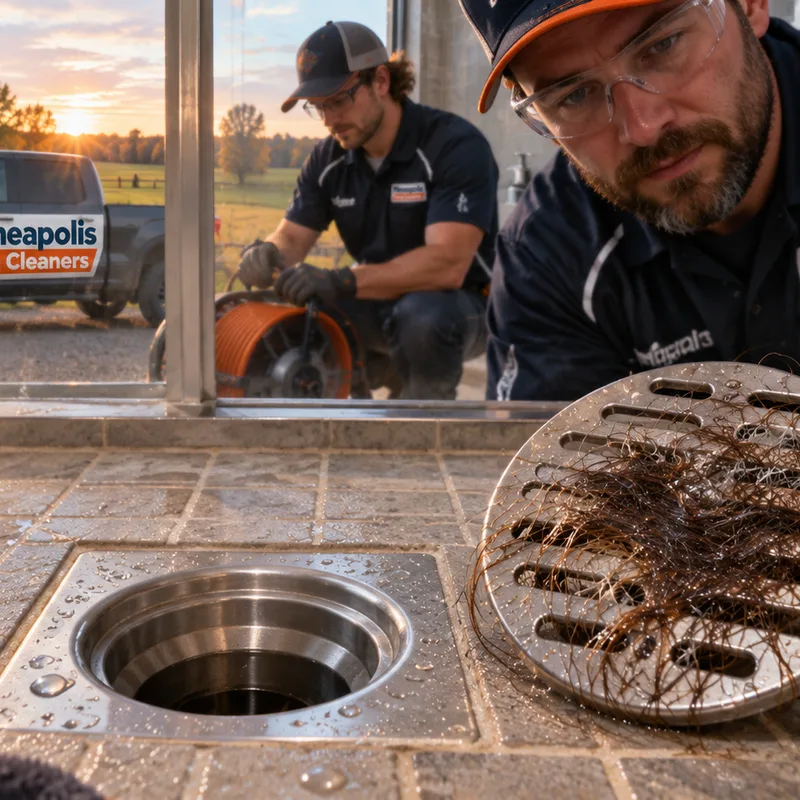
Several fixtures draining poorly at once can point to a blockage in a shared drain or sewer line. A toilet that backs up when another fixture runs, or wastewater appearing at a low drain, also needs attention. A contractor can determine which part of the plumbing is affected before choosing a cleaning method.
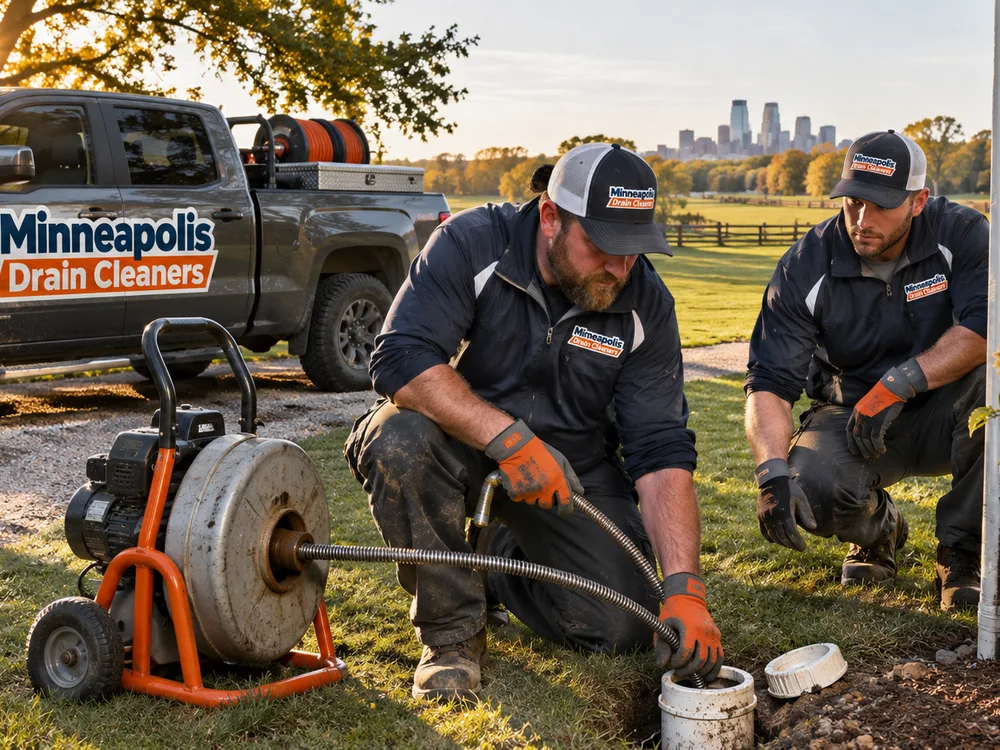
A contractor will typically identify which fixtures are affected and where the line can be accessed. For a recurring main-line blockage, the contractor may recommend a camera inspection to look for roots, a damaged pipe, or buildup that an auger alone will not explain. Ask what the inspection would show and how it would affect the proposed work.
The right method depends on the blockage and the pipe's condition. An auger can break through or retrieve an obstruction; hydro jetting uses pressurized water to remove buildup along the pipe wall. A contractor should assess the line before recommending pressure cleaning, particularly when damage is suspected.
Cleaning restores flow, but a pipe that catches debris can clog again. Tree roots entering a sewer line, a misaligned joint, or a sagging section can contribute to repeat blockages. In established Minneapolis neighborhoods such as Linden Hills and Longfellow, asking about the condition of an older home's sewer line can be useful when clogs keep returning.
Ask which line the contractor plans to clean, how it will be accessed, and whether an inspection is needed to identify the cause. The contractor can explain the proposed work and provide the quote. You decide whether that approach makes sense for your home.
One call connects you with a drain cleaning contractor who serves Minneapolis and the surrounding area. You talk with the contractor directly about the symptoms and decide what happens next.
CALL NOW: +1 877 364 0435